
"Ethiopia coffee classification"
900 article(s) found

Old Ethiopian grading standards--Definition of grading for washing and solarization
Professional coffee knowledge exchange More coffee bean information Please pay attention to coffee workshop (Weixin Official Accounts cafe_style) Ethiopia old classification standard Ethiopian coffee beans are generally divided into five levels, according to washing and sun treatment for G1, G2, G3, G4, G5, the first and second levels for washed coffee beans, and sun coffee beans according to coffee quality is divided into G3,G4,G5 three and so on

Ethiopian coffee beans G1 and G2 are just different in the number of defective beans.
Ethiopian coffee beans G1 and G2 are just different in the number of defective beans? the characteristics of the variety introduce that defective beans are an important factor that destroys the flavor of the final coffee. Therefore, defective beans should also be removed in the last step of raw bean processing. This has the problem of the number of defective beans, so according to the proportion of defective beans, supplemented by the size of the screen is also a way of classification. Due to the trend of boutique coffee

The difference between single coffee and blend coffee The classification of single coffee beans Farm and other labels
Professional barista communication, please pay attention to coffee workshop (Weixin Official Accounts cafe_style) coffee bean classification system a wide variety of coffee name: single product, deep roast, city, Italian style, French, special blend? How is this divided? What do these complicated coffee bean names mean? 1. Origin indication: Single and mixed coffee Most commercially available coffee beans

Classification and taste of exquisite coffee beans and characteristics of Yega Chevy Coffee Manning Coffee
Yirga cheffe is a small town in Ethiopia, 1700-2100 meters above sea level, and it is also synonymous with Ethiopian boutique coffee. Since ancient times, it is a wetland, the ancient saying Yega yirga means to settle down, and Sheffield cheffe means wetlands, so Yejasuefi means to let us settle down in this wetland. Strictly speaking, Yega Xuefei is Ethiopia.

What is the flavor and taste of 90+Techembe Clinique coffee? What is the system for grading 90 + coffee? What is it?
Professional coffee knowledge exchange more coffee bean information please follow the coffee workshop (Wechat official account cafe_style) 90 + Techembe Clinique coffee flavor and taste? What is the system for grading 90 + coffee? Is there any unique way to deal with it? 90 + boutique coffee Techembe Clinique comes from Tchembe named after the variety Bolo of Haricho and Amaro Mountain.
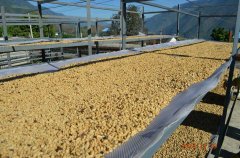
Coffee three native species Arabica species: Ethiopia 90+levelup Flower language Sunlight Sidama
Coffee belongs to Rubiaceae coffee evergreen shrubs, tropical regions as the center, about 500 genera 6000 species of Rubiaceae plants distributed in this. Coffee has long been considered to have certain medicinal effects, such as stomach, mind, hemostasis, heat dissipation, physical strength and so on. There are about 40 species of plants in the genus Coffea, but only Arabica, Robusta and Libby can produce coffee beans with commercial value.
Classification and taste of coffee beans
In a broad sense, there are two kinds of coffee beans in the world, Arabica beans and Robosta beans.
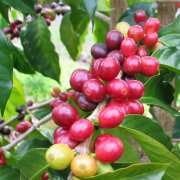
Classification and quality Control system of High quality Coffee Bean Ethiopian Coffee
In Ethiopia, the grading and quality control system of coffee is divided into three levels: producer, regional and national. All coffee is inspected by local inspection agencies before leaving the country of origin, and then re-tested at the coffee inspection and grading centers in Addis and Diredawa to determine its quality grade. Coffee is graded before auction and sale, for all involved in production, acquisition,

Introduction to the flavor and taste of Ethiopian coffee beans grade classification of Ethiopian Sidamo coffee beans
Ethiopia has unique natural conditions suitable for growing all imaginable varieties of coffee. As a upland crop, Ethiopian coffee beans are mainly grown in areas between 1100 and 2300 meters above sea level, roughly distributed in southern Ethiopia. Deep soil, row

Ethiopian coffee plantation flavor taste introduction Ethiopian coffee characteristics
35% of coffee is courtyard coffee. In this coffee garden, the planting is three-dimensional distribution. Coffee sits in the lower layers, in the shade of other crops, to get the right environment to grow. Fertilizer is mainly deciduous, withered grass and animal manure. 5% of coffee is plantation coffee. This is a modern way of growing coffee. Coffee is grown in forests, but new varieties are used and mixed with other trees.

Ethiopian Coffee Flavor introduces the characteristics of Ethiopian Coffee
35% of the coffee is courtyard coffee. In this kind of coffee garden, the planting is three-dimensional. Coffee is located in the lower layer and gets a suitable growth environment in the shade of other crops. Fertilizers are mainly fallen leaves, withered grass and animal manure. 5% of the coffee belongs to plantation coffee. This is a modern way of growing coffee, which is also grown in forests, but uses new varieties and works with others.

Classification of coffee what are the flavor characteristics of socialite coffee
The country with the largest coffee bean production in the world is Brazil in South America. The second place is Vietnam, but Vietnamese coffee beans are mainly used for instant and blended coffee (Robusta), while high-quality coffee usually uses Arabica (Arabica). The third is Indonesia, with more than 80% of Robusta varieties. This is followed by Colombia and Ethiopia.

Red label coffee beans what flavor detailed explanation classification varieties grinding scale production area introduction
Red Label Coffee Bean What Flavor Detailed Description Classification Variety Grinding Scale Production Region Introduction Fruit flavor and floral elements are almost like Yega Shefi from Ethiopia on the other side of the world. Of course, that's old news now. A few small farms are getting summer roses, and eager ones want to grow their own. But the results are different, by God.

Introduction to the characteristics of Ethiopian Coffee Flavor Manor with acidity and texture
5% of the coffee belongs to plantation coffee. This is a modern way of growing. Coffee is also grown in a forest, but new varieties are used and planted in rows with other shade trees. Due to different processing methods, coffee can be divided into washed coffee (Washed coffee) and sun-cured coffee (Sun-dried coffee). Washed coffee accounts for 35% of exports. Of good quality
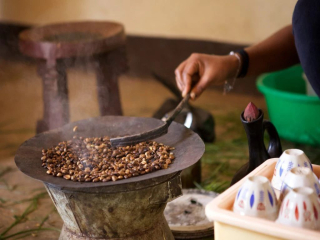
Introduction to the characteristics of classification, taste and flavor description of Ethiopian Yejasuefei coffee beans
The origin of Yirgacheffe coffee beans: although it is petite, it is gentle and delicate, sweet and lovely. As the hometown of coffee, thousands of years of planting history and processing tradition in Ethiopia have created high-quality washed Arabica beans. Shallow baking is unique.

Introduction of World Fine Coffee Beans: Classification and Introduction of Guixia Panama Coffee Beans
Geisha is a very rare coffee variety that has been causing a stir among coffee connoisseurs worldwide for more than five years, considered the brightest, richest and most aromas of coffee varieties. Before it gained international fame, Guixia was founded by Don Pachi, a small town in southwest Ethiopia.

What are the common types and classification of coffee beans? What are the varieties and characteristics of coffee? Common coffee
Professional coffee knowledge exchange more coffee bean information please pay attention to the coffee workshop (Wechat official account cafe_style) common types and classification of coffee beans? What are the varieties and characteristics of coffee? What are the common types and origin of coffee beans? There are only two kinds of plants that are of real commercial value and are planted in large quantities. One is Elaraby plus seed (ARABICA), the other is

Kafa Forest, Ethiopia | Wind of native species of Agaro Agaro G1 Bitugudina
Professional coffee knowledge exchange more coffee bean information please follow the coffee workshop (Wechat official account cafe_style) Ethiopia Kafa Forest | washed Agaro Agaro G1 than Tugudina native species flavor? Ethiopia's coffee flavor is very diverse, different soil types, microclimate and countless native coffee species, resulting in the coffee produced by each town

A brief introduction to the classification of Arabica beans Blue Mountain Coffee belongs to Arabica's powerful genetic myth.
Professional coffee knowledge exchange more coffee bean information please follow the coffee workshop (Wechat official account cafe_style) front street-Arabica coffee bean variety introduction Arabica species account for 70% of all coffee production, is the most important commercial coffee bean. Arabica species were introduced into Europe from the Arab region and can be divided into Tibika species and Bourbon subspecies according to their different places of introduction.
Flavor characteristics of Yemeni Coffee Classification of Yemeni mocha Coffee characteristics of Yemeni Coffee
Yemeni coffee Yemen produces bean-shaped berry coffee beans (Peaberrybean): this coffee bean is smaller and rounder than most coffee beans and looks like peas, sometimes referred to as mocha coffee beans. The shape of mocha coffee beans is similar to that of Ethiopia's Harrar coffee beans.